

AI’s in the news again, but automation is where the real advantage lies
The conversation swirling around AI and the future of work shows no sign of stopping. Just last week, the IMF described it as a slow-moving tsunami that could hit 60% of jobs. BBC Newsnight reiterated the warnings, focussing on the impact it may already be having on entry level roles.
However, the ISE Student Development Survey which also launched last week, paints a more nuanced, thankfully less apocalyptic, picture.
It’s no surprise AI is disrupting the workplace. The ISE found that 87% expect AI to reshape entry-level roles over the next three years. But only 18% expect more than 10% of those roles to be replaced entirely by AI.
In other words, most organisations see jobs changing rather than disappearing, with the technology altering tasks, workflows and required skills far more than slashing headcounts.
From a recruitment point of view what's particularly interesting is the skills employers believe will matter more in an AI-enabled workplace. The survey points to growing demand for critical thinking, communication, adaptability, judgement, continuous learning and AI literacy. As you’d expect, routine activities such as basic administration, simple research and content drafting are expected to become less important.
Equally interesting is the suggestion employers value mindset, judgement and human interaction over technical and digital skills which can be built once someone is in a role.
As part of the Newsnight discussion we also heard from young job seekers who are in the eye of this storm. Understandably they’re demoralised by submitting hundreds of applications without success, and feel they are being turned down by AI before they get a fair shot at a role.
I don’t doubt the market is difficult right now, but AI isn’t always the culprit. Another recent ISE report found that only 16% of companies use it in their hiring processes and 52% say they never will. It also found graduate recruitment was up 4% on the previous year.
What employers are turning to more readily than AI is improved automation, which has benefits for both candidates and hiring teams.
Automation follows predefined rules but doesn’t make decisions. It checks whether a candidate meets essential criteria such as right to work, qualifications or location requirements. It can schedule interviews, send communications or move applicants through assessments. AI is something different. It involves technologies that analyse patterns, generate content or make predictions based on data without human input.
Most early careers programmes still keep humans firmly at the centre of decision-making.
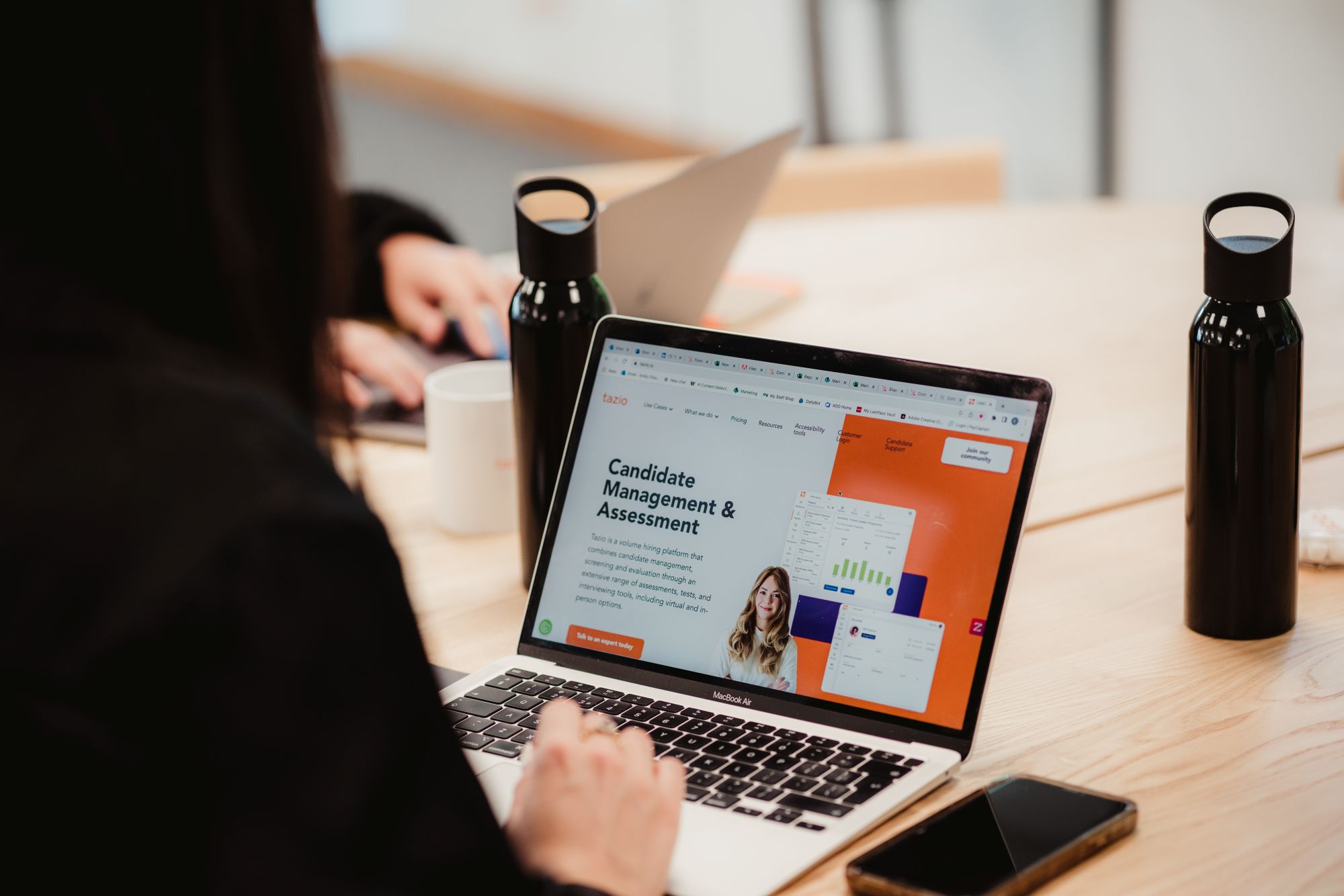
On the Tazio platform, for example, candidates are not filtered out because a system has identified certain keywords in a CV. Instead, applicants are assessed against essential criteria set by the employer. The platform can automate that process, ensuring every application is reviewed consistently against the same requirements, but the employer remains in control of the hiring decisions.
The same principle applies to assessments. The in-demand skills highlighted by the ISE are easy to claim on a CV but much harder to demonstrate. Assessments provide evidence.
Situational judgement tests, behavioural assessments and cognitive exercises help employers understand how candidates are likely to respond in real workplace situations. And they give true potential an opportunity to stand out.
Assessments aren’t new, they’ve been used by large employers for decades because research consistently shows they are among the most reliable and fair predictors of future performance. What has changed is accessibility. Technology and automation has reduced the cost and complexity of deploying these approaches and capturing their insights, allowing organisations of all sizes to benefit from them.
As the debate about AI's impact on work continues, transparency from employers will be essential. Candidates deserve to know where automation is being used, where AI is involved and where human judgement enters the process.
If you'd like to chat about how Tazio can help you identify the very human qualities you need, connect with me on LinkedIn or get in touch.


